Ideas for building with dedicated AI engineers
Practical notes on hiring embedded engineers, shipping automations, and running AI workflows where your team already works.

AI Governance
Who Owns AI After Deployment?
Clear AI ownership helps companies manage performance, risk, data, technical reliability, and lifecycle responsibility after systems move into production.

AI Strategy
Why Some AI Use Cases Should Never Leave the Pilot Stage
Enterprise AI programs often stall when strategy is not matched with the operating model, technical capacity, ownership, and execution structure required to move AI into production.

AI Strategy
Why AI Implementation Should Be Managed as a Business Capability
AI implementation becomes more sustainable when businesses treat it as an ongoing capability supported by clear ownership, technical capacity, governance, and repeatable operating processes.

AI Strategy
Why Enterprise AI Programs Stall Between Strategy and Execution
Enterprise AI programs often stall when strategy is not matched with the operating model, technical capacity, ownership, and execution structure required to move AI into production.

AI Strategy
Why AI Strategy Must Begin With Operating-Model Design, Not Tool Selection
Effective AI strategy starts with designing how work, decisions, ownership, and technology should operate together before choosing the tools that will support that model.

AI Strategy
From AI Strategy to Operational Capability: A Framework for Enterprise AI Execution
Moving from AI strategy to operational capability requires more than selecting tools. Businesses need the right execution model, technical capacity, governance, and workflows to put AI into production.

AI Strategy
The Difference Between Adopting AI Tools and Becoming an AI-Enabled Organisation
Adopting AI tools can improve individual tasks, but becoming an AI-enabled organisation requires integrating AI into workflows, operating models, and everyday decision-making.
AI Engineering
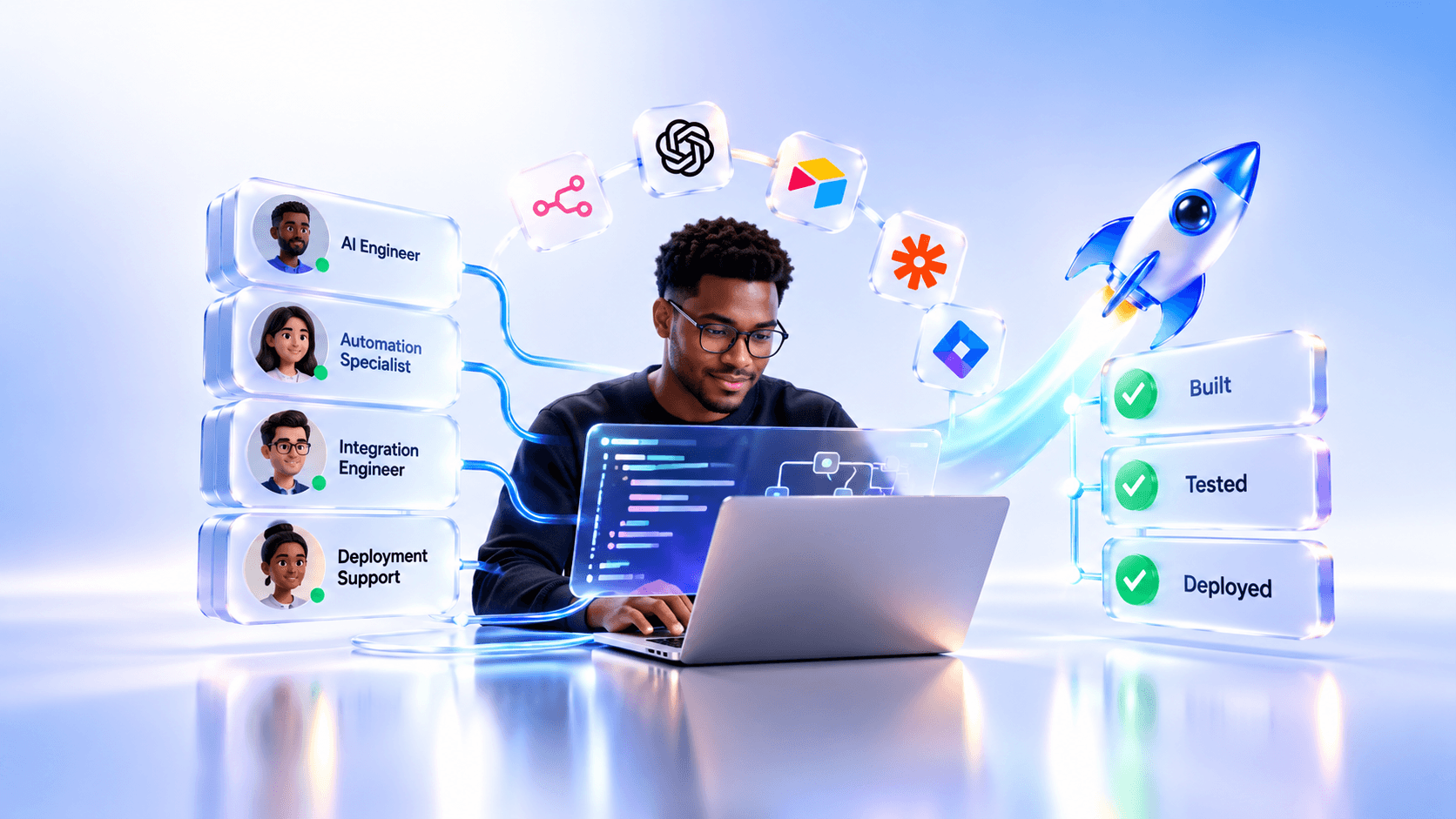
How Embedded AI Engineers Help Startups Deploy Faster
Embedded AI engineers work directly with startup teams to close technical gaps, accelerate implementation, and move AI projects from planning to production faster.
AI Automation
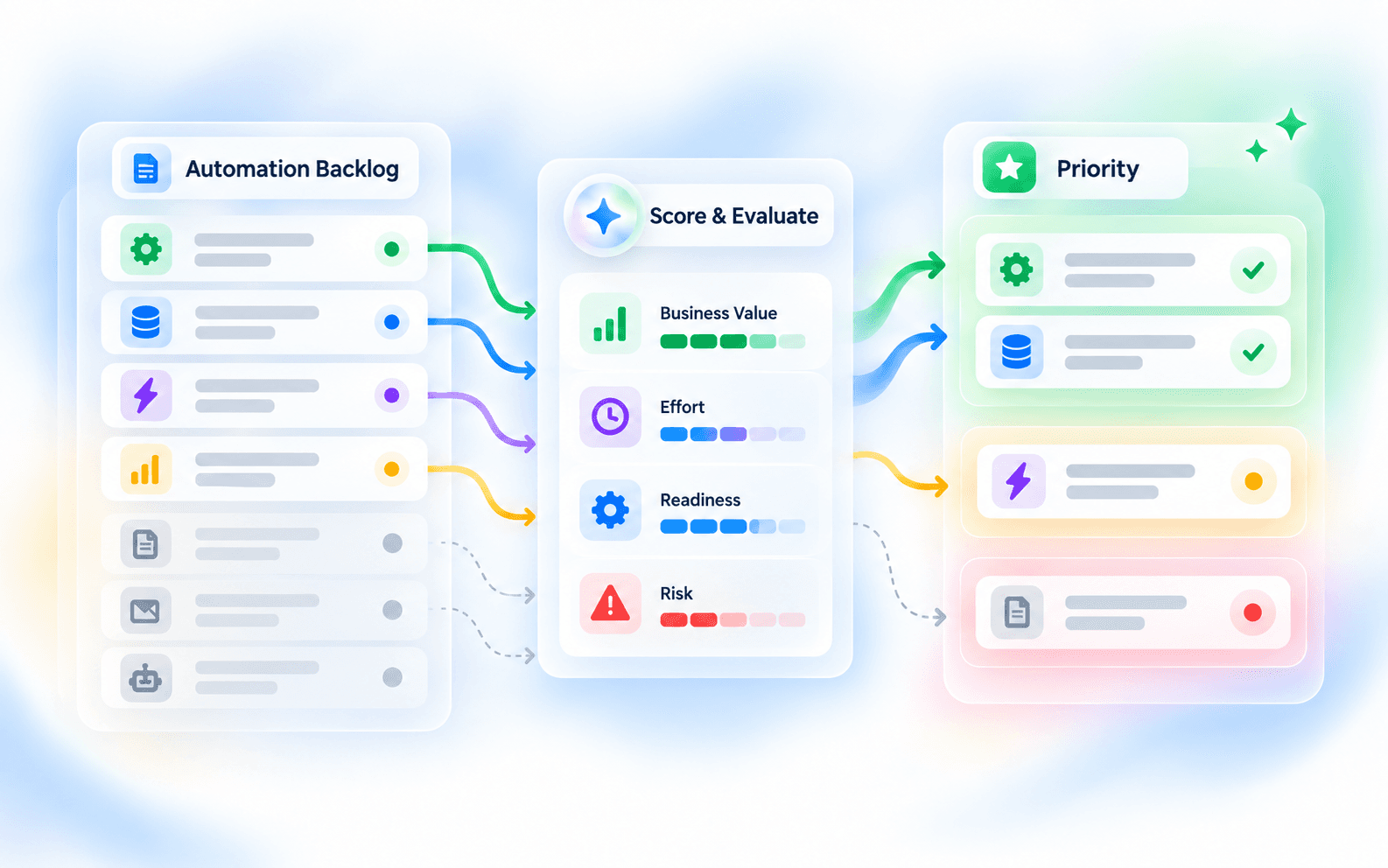
How to Prioritise an Automation Backlog
Prioritising an automation backlog helps businesses focus resources on the workflows that offer the strongest combination of business value, feasibility, and implementation readiness.

AI Automation
The 12-Point AI Automation Readiness Checklist for Business Processes
Before automating a business process, you need to know whether the workflow is stable, repeatable, measurable, and technically ready for AI-powered automation.

AI Automation
How to Identify Business Processes for Automation
Identifying the right processes for automation starts with finding repetitive, manual, and time-consuming workflows that can be standardized and improved through automation.

AI Engineering
How to Hire an AI Automation Engineer: A Step-by-Step Guide
Hiring the right AI Automation Engineer starts with defining the work, identifying the technical skills required, and evaluating candidates against real implementation needs.
Engineering
Why dedicated AI engineers beat one-off automations
Most teams do not need another tool. They need a human who builds, ships, and maintains automations inside the channels your team already uses.

AI Execution
Build, Buy, or Embed? Choosing the Right Model for AI Execution
Choosing the right AI delivery model affects how quickly a company can move from idea to execution, how much control it keeps, and what it needs to manage long term.

AI Engineering
AI Automation Engineer Staff Augmentation: A Practical Guide for Businesses
AI Automation Engineer staff augmentation helps companies add dedicated technical capacity for AI implementation, integration, deployment, and ongoing support without expanding the internal team.

AI Engineering
Staff Augmentation vs Project Outsourcing for Automation: Which Model Is Right for Your Business?
Choosing between staff augmentation and project outsourcing depends on how much control, technical capacity, flexibility, and project ownership your business needs.

AI Engineering
Dedicated AI Engineers vs Freelancers: Which Model Is More Reliable?
Embedded AI engineers work directly with startup teams to close technical gaps, accelerate implementation, and move AI projects from planning to production faster.

AI Execution
Why Forward Deployed Engineering Is Emerging as a Strategic AI Delivery Mode
Forward deployed engineers bring technical execution closer to business workflows, helping companies move AI initiatives into production faster and turn implementation into measurable business outcomes.

AI Strategy & Implementation
How to Prioritize AI Initiatives Across Organisations
Organisations face competing AI opportunities across departments, but not every initiative deserves immediate investment. Explore a practical approach to prioritising AI projects, allocating engineering resources, and developing an implementation roadmap focused on measurable business outcomes.
AI Strategy & Implementation
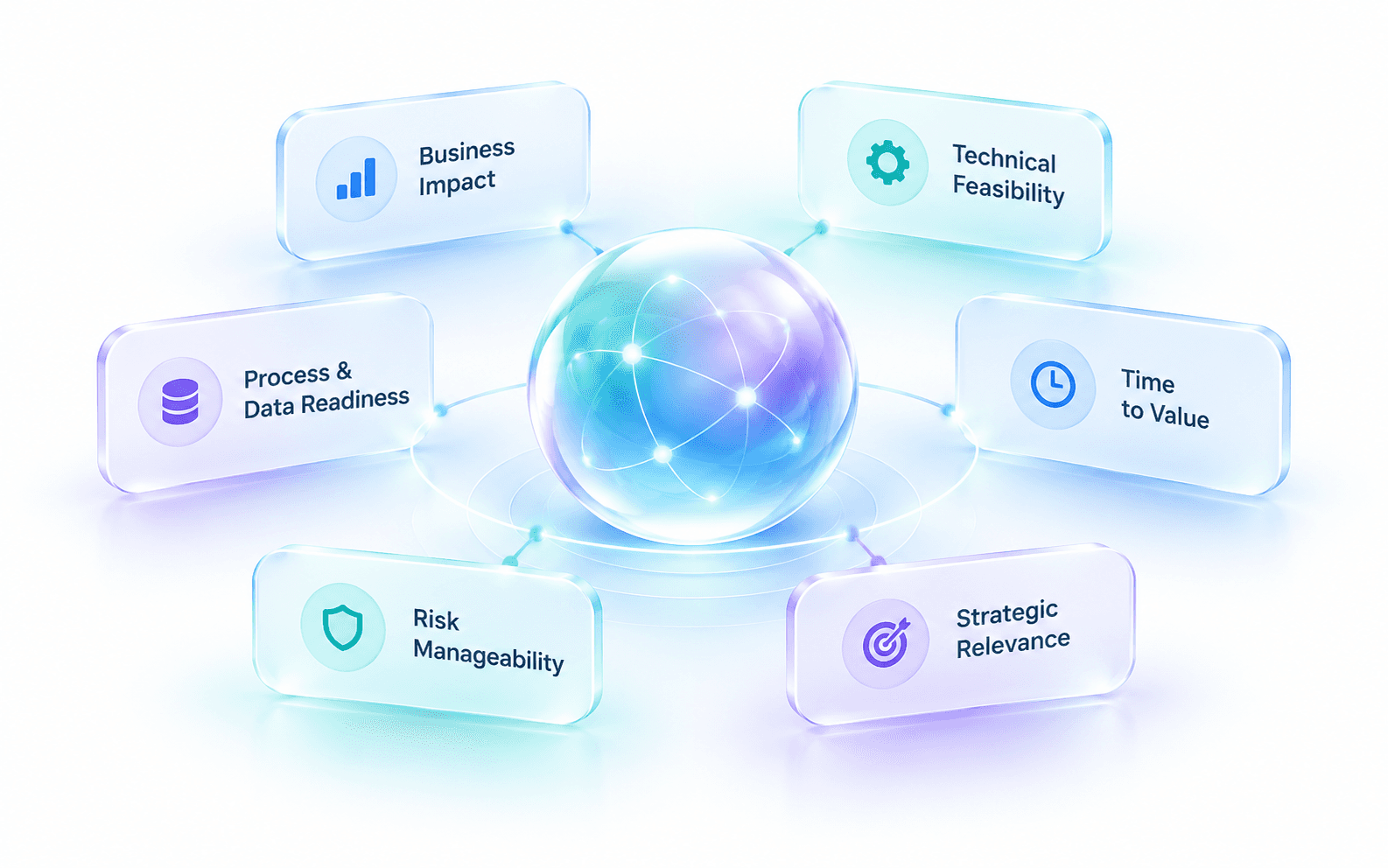
Six Criteria for Evaluating and Prioritising AI Initiatives
Not every AI initiative deserves investment. Learn six practical criteria for evaluating proposed AI projects, assessing implementation risks, calculating weighted scores, and making informed investment decisions across business functions.

Company News / Events
Loubby AI Participates in UT Austin iSchool Career Fair 2026
Loubby AI attended the iSchool at the School of Computing Career Fair at the University of Texas at Austin on September 29, 2026. The event brought together students and industry professionals to discuss career opportunities, explore internships, and learn about practical applications of artificial intelligence in the workplace.