




Remote work is transforming how Africans earn a living. According to the World Economic Forum’s Future of Jobs Report 2025, 64% of businesses in Sub-Saharan Africa see digital transformation as a key driver of job creation, with digital job growth expected to expand by 42% by 2030. This shift opens doors to clients and employers from around the world, allowing African talent to compete for jobs beyond local markets and earn incomes that were previously hard to reach.
One big advantage of remote work is flexibility. You can set your schedules, avoid long commutes, and balance family and personal commitments easily. This freedom helps improve productivity and job satisfaction. More importantly, remote work creates new opportunities for people in cities and rural areas alike, helping spread income and skills across the continent.
In this article, you’ll learn which skills are most sought after for remote jobs in Africa. You’ll also find practical advice on how to develop these skills and position yourself for success. Finally, the article will introduce how platforms like Loubby AI connect talented Africans with companies looking for their expertise.
Remote Work Demand for African Professionals
The demand for remote talent in Africa is growing quickly. Africa’s freelance and remote workforce has grown by 55% since 2020, making it one of the fastest-growing regions globally for remote work. Many industries, such as technology, customer service, marketing, and finance, are actively looking for African professionals.
Businesses in the United States, Europe, and beyond recognize the value African talent brings, including their strong work ethic, creativity, and problem-solving abilities. By 2050, Africa will account for 25% of the global workforce, underscoring the continent’s growing influence in the international labor market.
To take advantage of these opportunities, you need to develop skills that meet the needs of remote employers. Skills in software development, digital marketing, data analysis, and customer support are in especially high demand. Building these skills can set candidates apart and increase the chances of landing remote jobs with international companies.
Top Remote Work Skills in Demand for Africans
1. Technical Skills for Remote Jobs
Software Development: High-Demand Remote Work Skill
This remains one of the most sought-after abilities. JavaScript and TypeScript account for 31% of job offers that explicitly required a programming language, meaning nearly 1 out of 3 job offers require JavaScript or TypeScript knowledge. Python is especially popular because it’s easy to learn and can be used for everything from building websites to creating automation tools.
As of September 2024, Python has approximately 6-7% more job listings than Java, making it the second most in-demand programming language. JavaScript powers the dynamic parts of websites and apps that people interact with daily. If you develop these skills, you position yourself well for jobs in web development, app creation, and even data science.
For African professionals seeking to enter software development, begin with foundational courses on platforms such as Coursera or Udemy. Build 3-5 portfolio projects on GitHub to demonstrate your abilities to potential employers. Learn more about how African talent is driving the global remote work revolution.
Data Analysis for Remote Opportunities
Companies now rely on data to make decisions, so professionals who can collect, interpret, and present data in a clear way are in demand. Tools like Excel, Tableau, and Power BI help turn raw numbers into meaningful stories. This skill opens doors not just in tech but also in finance, marketing, and many other fields where understanding trends is important.
Data analysts with experience in Python libraries like Pandas and NumPy, combined with visualization tools, can command competitive salaries in the remote job market. Check out how to use AI to optimize your resume for applicant tracking systems to ensure your data skills get noticed by employers.
Cybersecurity and Cloud Computing Remote Careers
This also holds strong importance in remote work. As businesses move their operations online, protecting information becomes a top priority. Learning how to secure networks, manage cloud services like AWS or Microsoft Azure, and detect threats can land you roles that pay well and offer stability. These skills are particularly useful because they help companies safeguard their data while operating remotely, which has become a daily reality for many.
Focusing on these technical areas creates a solid foundation for remote work. They are practical skills that employers look for, and they can be developed with free or affordable online courses, making them accessible no matter where you live.
2. Digital Marketing Remote Jobs
SEO Skills for Remote Work
First, search engine optimization, or SEO, remains a key skill. This involves helping websites show up higher on Google and other search engines. If you know how to choose the right keywords, write useful content, and improve a site’s structure, companies will find you very useful. Many businesses depend on SEO to attract customers online, which means the demand for experts who understand this is steady and growing.
Content Marketing Remote Opportunities
This goes hand in hand with SEO. It focuses on creating stories, articles, videos, or social posts that capture the attention of an audience. Good content draws people in and keeps them coming back. If you have the ability to write clearly and creatively, or create engaging visuals and videos, you can land remote jobs helping brands tell their stories and connect with customers across different platforms.
Social Media Management Remote Roles
Most companies want to keep their presence active on platforms like Facebook, Instagram, Twitter, and LinkedIn. Managing these accounts means posting regularly, responding to followers, and understanding what content works best for each audience. If you’re familiar with how social media trends change and know how to engage people online, this skill will be very useful. Many businesses hire remote social media managers to keep their communities alive and growing.
Email Marketing for Remote Jobs
This involves sending targeted emails to customers or prospects to promote products, share news, or build relationships. If you can write emails that grab attention and get people to take action, you’ll find many opportunities. Email marketing is one of the most direct ways companies can reach their audience, so skills in this area remain highly sought after.
Learning these digital marketing skills opens doors to remote roles that fit many talents and interests. Whether you like writing, designing, or communicating, these areas provide a chance to build a stable career from anywhere. For comprehensive guides on building your marketing skills, explore employer branding strategies that attract top talent.
3. Creative Skills for Remote Work Opportunities
Graphic Design and UX/UI Remote Careers
Graphic design involves creating visuals that catch the eye, like logos, posters, and social media images. UX/UI design, on the other hand, focuses on how people interact with websites or apps, making sure everything feels smooth and easy to use. If you have an eye for color, shape, and balance, and you enjoy making things look good while working well, these skills can open doors to freelance or full-time remote jobs. Many companies want fresh, clean designs that make their brand stand out and give users a pleasant experience.
Video Editing Remote Opportunities
Videos have become a major way to share ideas, promote products, and entertain. Knowing how to cut clips together, add effects, and bring motion to images turns raw footage into something people want to watch. Animation adds a layer of fun and creativity, whether for ads, explainer videos, or even online courses. If you enjoy working with sound and visuals, developing this skill can lead to work opportunities.
Content Writing and Copywriting Remote Jobs
Content writing involves creating articles, blog posts, and other forms of written material that inform or entertain readers. Copywriting, however, focuses on persuasion—writing words that push people to take action, like buying a product or signing up for a service. If you have a way with words and can write clearly and convincingly, many businesses will value your work.
4. Administrative Remote Work Skills
Virtual Assistance Remote Career
A virtual assistant handles tasks like scheduling meetings, managing emails, or organizing files remotely. This role is for someone who can stay organized and respond quickly to what’s needed, making life easier for busy professionals. The demand for virtual assistants keeps growing because many businesses want help without the cost of office space or full-time staff.
With AI-powered virtual assistance tools becoming more sophisticated, professionals who combine traditional VA skills with tech proficiency are highly valuable.
Project Management Remote Opportunities
Managing a project means keeping track of deadlines, coordinating between team members, and making sure everyone knows what to do next. Even if the team is spread across different places, a good project manager keeps everything moving and makes sure goals are met. This skill is about attention to detail and clear communication, both of which create confidence in clients and colleagues.
Understanding how to build a culture of accountability without micromanaging is critical for remote project managers.
Customer Support Remote Jobs
This involves answering questions, solving problems, and making sure customers feel valued. In a remote setup, this might happen through chat, email, or calls. A calm and helpful approach builds trust and keeps customers coming back. This skill requires patience and a way with words because a satisfied customer often becomes the best advertisement.
How to Upskill for Remote Work Opportunities
If you want to grab remote work opportunities, you must improve your skills. There are plenty of ways to do this without leaving your home.
First, look for online courses and certifications from trusted sources. Platforms like Coursera, Udemy, LinkedIn Learning, and Google Career Certificates offer programs in fields like software development, digital marketing, graphic design, and customer support. These courses help you learn skills that companies are actively searching for. Many are affordable or even free, so you can start without much worry about cost.
For African professionals specifically, upskilling your workforce is critical for preparing for the future of work. According to Nexford University, 73% of Africans wish to work remotely, while 42% already work from home at least once a week.
Next, don’t underestimate the value of joining online communities and forums. Places like Reddit, specialized Facebook groups, and LinkedIn communities can keep you updated on industry trends. They also provide a space to ask questions, get advice, and connect with people who are already working remotely. This support can keep you motivated and help you find hidden job openings or freelance gigs.
Another important step is to build a portfolio by working on real projects. You can volunteer for small businesses, contribute to open-source projects, or create your own samples. A portfolio shows potential employers what you can do better than a simple resume ever will. When you have examples to share, it becomes easier to convince clients or companies that you’re ready for the job.
Consider joining programs that specifically support African tech talent, like those mentioned in bridging the skills gap through AI and future work initiatives.
Finding Remote Work with Loubby AI
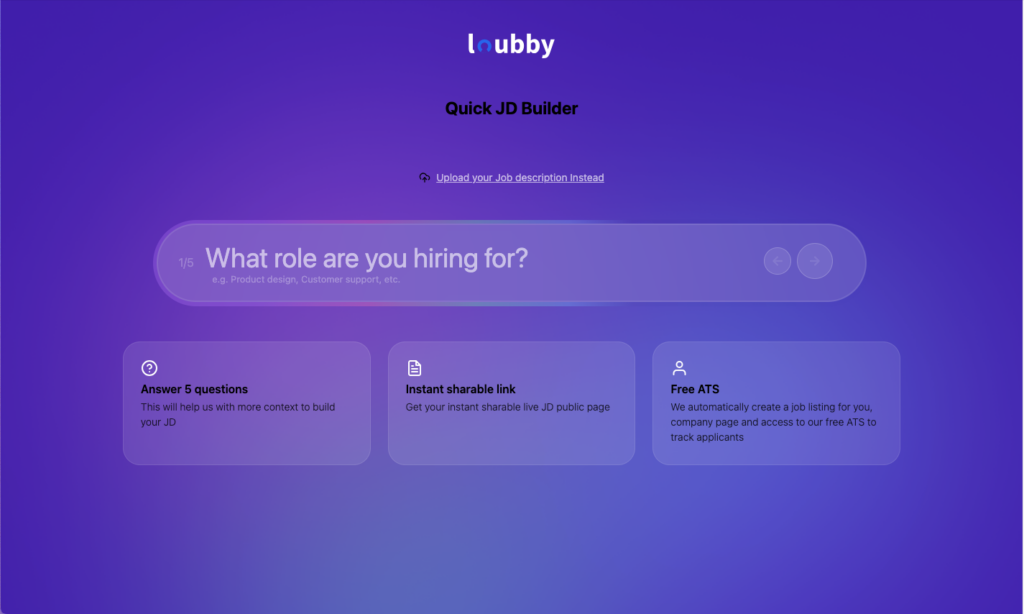
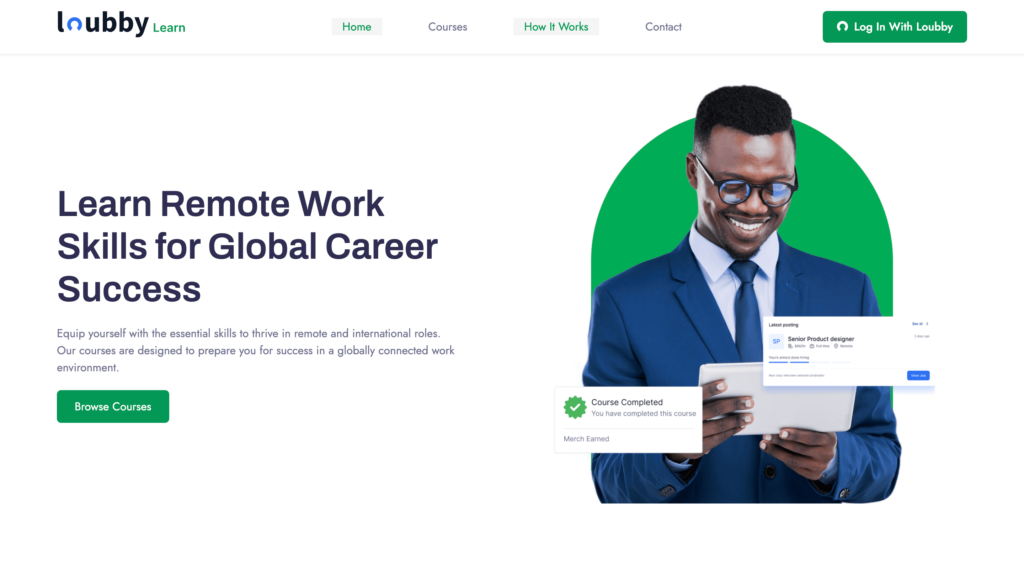
Loubby AI is making it easier for African professionals to step into global opportunities without leaving their local environments. It is a platform that connects skilled talent from Africa with companies across the world that need their expertise. Whether someone is into tech, marketing, support, or creative work, Loubby creates a bridge between talent and demand.
What makes Loubby different is how it takes the stress out of the hiring process. The platform does more than just list jobs. It helps professionals present themselves well, makes it easier for businesses to find the right people, and even offers tools that improve how teams work together.
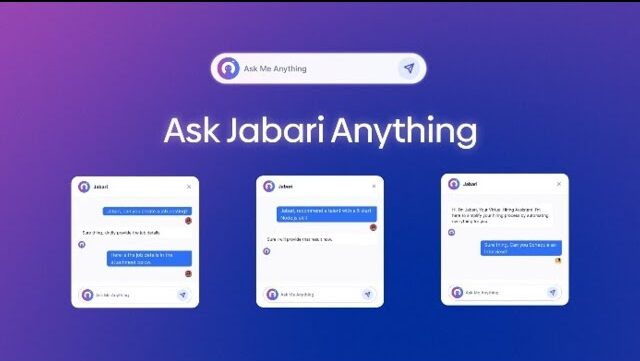
With features like automated talent vetting, AI assistance through Jabari (AI Recruiter), and streamlined communication through Dara (AI Interviewer), Loubby AI supports both job seekers and employers in real and practical ways.
The results speak for themselves. Several users across Nigeria, Ghana, and Kenya have landed remote roles with tech startups, marketing agencies, and service-based businesses in Europe and North America. By helping users build credibility, connect with serious employers, and stay ready for new opportunities, Loubby AI is making remote work more accessible and less frustrating for African talent.
Learn more about how to evaluate skills and conduct effective interviews with remote African candidates to maximize your chances of success.
Conclusion
Learning the right skills is one of the smartest moves anyone can make. With remote work becoming more available, as an African professional, you have a real chance to earn well and grow your career without needing to travel or relocate.
Over 10 million Africans are projected to work remotely by 2030, contributing a potential $300 billion to the continent’s economy. This isn’t just a trend—it’s a transformation reshaping how Africa participates in the global economy.
Platforms like Loubby AI are helping make this easier. They connect people who are ready to work with employers who need their skills. The tools are there, and the support is too.
Sign up for Loubby AI. Explore what’s available, build your profile, and start applying for jobs. The right opportunity could be one click away. For more insights on navigating the remote work landscape, check out our guide on 7 steps to hire talent in Africa using Loubby AI.