




Sending application after application without receiving a response can be frustrating. This is a common experience for fresh graduates and entry-level professionals, especially when job descriptions request experience they have not had the opportunity to gain.
A limited work history does not mean you have nothing valuable to offer. Academic projects, internships, volunteer work, personal projects, certifications and transferable skills can all demonstrate your ability. The key is to apply for suitable roles and present clear evidence of what you can do.
The following steps can help you strengthen your applications and compete for entry-level opportunities.
Focus on Jobs That Match Your Skills
Applying for every available position is rarely effective. If a role does not match your skills, interests or current level of experience, submitting an application is unlikely to improve your chances of being hired.
Start by reviewing the responsibilities and requirements in each job description. Identify the skills the employer considers essential and compare them with your current abilities. You do not need to meet every requirement, but you should be able to demonstrate that you can perform the main responsibilities or learn them within a reasonable period.
Job titles alone do not provide enough information. Two positions with the same title can require different skills. For example, one digital marketing role may focus on Google Ads and campaign reporting, while another may require experience with social media advertising and content planning. Reading the full description helps you determine which opportunity fits your background.
Tailor Your CV to Each Role
A general CV may contain useful information, but it may not show why you are suitable for a specific position. Recruiters need to identify your relevant skills and experience quickly, particularly when they are reviewing many applications.
Before submitting your CV, review the job description and identify its main requirements. Adjust your professional summary, skills and experience sections to highlight relevant information. Use the employer’s terminology where it accurately describes your abilities, but do not copy entire sections from the job posting.
For example, if a marketing assistant position requires research, reporting and spreadsheet skills, your CV should show where you have used those abilities. This evidence could come from an internship, academic assignment, volunteer role or personal project. An entry such as “Researched five competing brands and presented the findings in a structured report” is more useful than simply listing “research” as a skill.
Show Evidence of Your Abilities
Employers cannot assess your potential from a list of skills alone. They need examples that show how you have applied those skills.
You can build this evidence before securing a full-time position. Relevant examples include:
- Academic and final-year projects
- Internships and industrial placements
- Volunteer assignments
- Freelance or contract work
- Personal projects
- Case studies and work samples
- Contributions to student or community organisations
Describe what you did, the tools you used and the result you achieved. Instead of writing “social media management,” explain that you created a monthly content plan, designed posts and tracked engagement. If you built a website, analysed a dataset or automated a task, provide a link to the work when possible.
A small portfolio containing two or three relevant projects can give an employer more information than a long list of unsupported skills.
Strengthen Your Applications
Your application should make it easy for the employer to understand your suitability for the role. A focused CV, a concise cover letter and complete application details show that you have reviewed the opportunity carefully.
Your cover letter should explain why you are interested in the position, which qualifications make you suitable and how your experience relates to the employer’s needs. Avoid repeating your CV word for word. Use the letter to connect your experience to the role.
Check every application before submitting it. Confirm that the company name, job title and contact information are correct. Remove spelling and grammatical errors, and ensure that every claim is accurate.
Application quality matters more than application volume. Ten carefully prepared applications for suitable positions are usually more productive than sending the same CV to 100 unrelated openings.
Prepare for Interviews
Receiving an interview invitation means the employer wants to learn more about your experience and suitability. Preparation helps you explain your abilities clearly, even when you have limited formal work experience.
Research the company, its products or services and the responsibilities attached to the position. Prepare examples that show how you have solved a problem, worked with others, learned a skill or completed a difficult task.
You can draw these examples from school projects, internships, volunteer work and personal initiatives. Structure each response by explaining the situation, the action you took and the result. This keeps your answer focused and gives the interviewer specific evidence to consider.
Practise answering common questions aloud. You should be able to explain why you applied, what you understand about the role, which skills you offer and what you hope to learn.
Develop Skills Relevant to Your Target Role
Additional training can strengthen your application when it addresses a clear skills gap. Before enrolling in a course, review several job descriptions for your target role and note the skills and tools that appear repeatedly.
Choose practical courses that include assignments or projects. Completing a course is useful, but demonstrating what you created or learned carries more weight. Add relevant projects to your CV or portfolio and explain how you applied the knowledge.
Platforms such as Coursera, LinkedIn Learning and Udemy offer courses across many professional fields, although pricing and free-access options vary. Loubby Learn also provides career-focused training opportunities designed to help participants develop practical skills.
Avoid collecting certificates without a clear objective. Select training that prepares you for the responsibilities listed in the jobs you intend to pursue.
Build Professional Connections
Some opportunities are shared through professional networks before they appear on public job boards. Building genuine connections can help you learn about roles, understand employer expectations and receive useful career advice.
Start with former classmates, lecturers, internship supervisors, professional associations and people working in your preferred field. You can also participate in industry events and contribute to relevant discussions on LinkedIn.
When contacting someone, make your request specific. Ask about the skills required in their field, the type of portfolio employers expect or the mistakes entry-level applicants should avoid. Do not begin by asking a new contact for a job.
Professional networking takes time. Consistent and respectful engagement is more effective than sending the same message to many people.
Turn Your Training Into Evidence of Your Skills
Completing a course can strengthen your application, but a certificate alone does not show an employer what you can do. Choose training that teaches skills required in your target roles and includes practical assignments you can add to your portfolio.
After completing the programme, update your CV with the relevant skills, tools and projects. Use these projects during applications and interviews to explain how you approach tasks and solve problems. This gives employers clear evidence that you are prepared to apply what you have learned in the workplace.
Conclusion
You do not need a long employment history to submit a strong application. You need relevant skills, clear evidence and an application that addresses the employer’s requirements.
Focus on suitable roles, tailor your CV, document your projects and prepare carefully for interviews. Continue developing the specific skills required in your chosen field and use platforms that help you identify relevant opportunities.
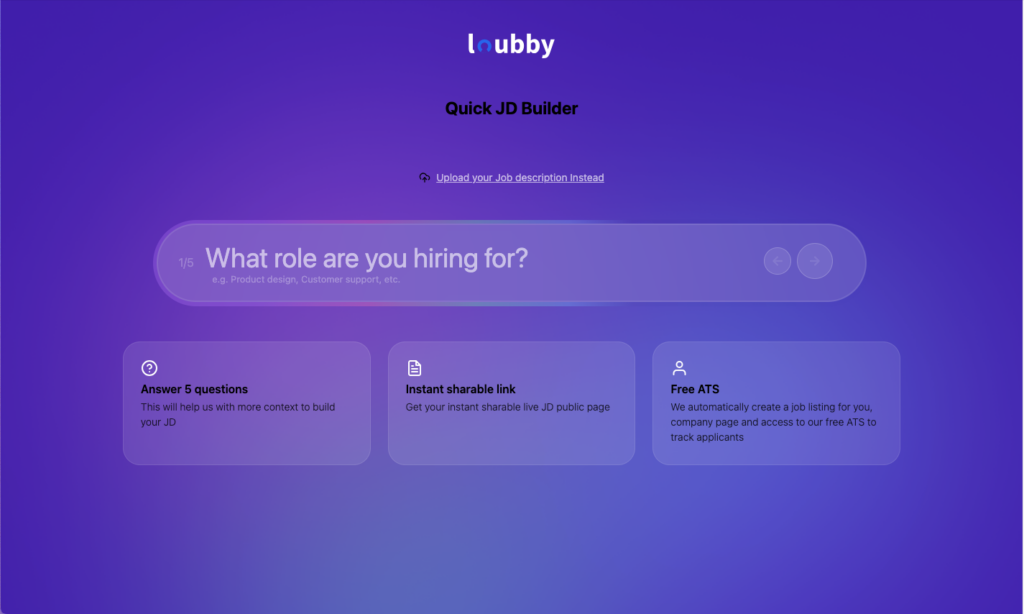
Loubby AI supports job seekers with job discovery, smart matching, resume tools and access to career development opportunities. Create your profile at www.loubby.ai to explore roles that match your skills and experience.